
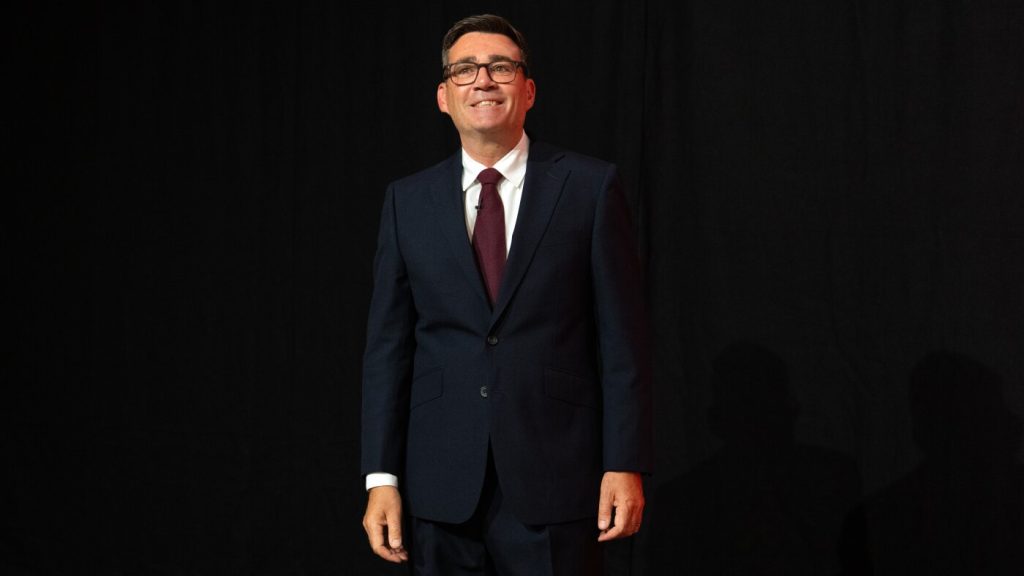
The United Kingdom is entering a new era of leadership as Andy Burnham officially takes over from Keir Starmer as prime minister. While he may be a relatively unfamiliar face on the global stage, Burnham arrives at 10 Downing Street with significant popularity at home. His ascent follows an unopposed run for the leadership of the Labour Party, culminating in his announcement at the Trades Union Congress in London. At 56, the former Member of Parliament for Makerfield represents a strategic shift for a party eager to reconnect with its traditional base.
Much of Burnham’s political identity is rooted in the stark contrast between his northern upbringing and his elite education. Raised in a village between Liverpool and Manchester by working-class parents, he later moved south to study English literature at the University of Cambridge. Stories from his university days describe a student who balanced reciting Shakespeare with a passion for soccer, occasionally wearing jerseys to class in an environment far removed from the grit of northwest England. This duality has allowed him to navigate different social strata while remaining fiercely loyal to his blue collar roots.
His commitment to working-class citizens became evident early in his career, most notably through his advocacy for the victims of the Hillsborough disaster. Serving as Culture, Media and Sport Secretary under Gordon Brown, Burnham faced an initially hostile crowd in Liverpool during a memorial event. By abandoning his script and listening to the grieving families, he earned their trust and launched an inquiry that dismantled long-standing stereotypes regarding northern soccer fans. Historians note that this moment established him as a politician who truly listens to those who feel ignored by the affluent power centers of London.
Before ascending to the premiership, Burnham spent several years building a powerhouse reputation as the mayor of Greater Manchester. During his tenure, he focused heavily on urban regeneration, transforming images of industrial decay into a modern landscape defined by glass skyscrapers and thriving arts districts. By taking control of city buses and pushing for devolved powers over housing and education, he proved himself as an effective administrator capable of tangible results. Now tasked with leading the entire nation, Burnham hopes to apply that same energy to bridge Britain’s deep regional divides and restore faith in the Labour Party across the country.