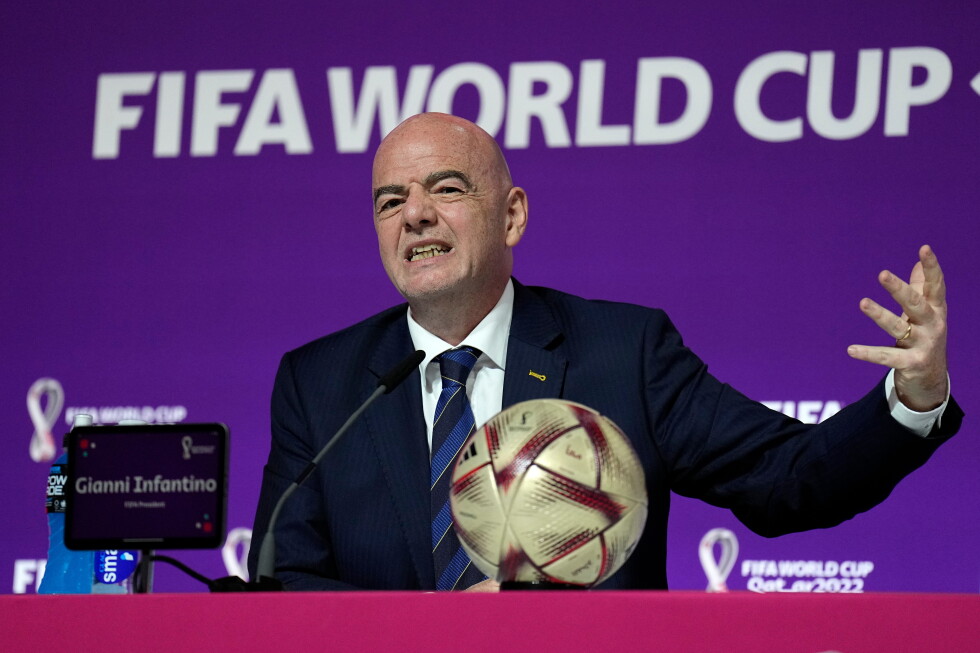
Gianni Infantino’s decade long grip on the presidency of FIFA is facing its most severe challenge yet after a disastrous attempt to privatize World Cup profits triggered a global uprising within the sport. The crisis peaked this weekend when UEFA officially declared it has lost confidence in the leader, signaling that no option, including Infantino’s removal from office, should be off the table. What began as a push for a twenty billion dollar company backed by private investors ended in total collapse after European, North American, and Asian soccer bodies united in fierce opposition.
The fallout was swift and scathing, with UEFA describing the privatization effort as a secret scheme cooked up by faceless individuals of dubious benefit to the game. The controversy deepened following revelations that the anchor investor for the plan was a New York firm linked to the family of Donald Trump. For critics like CONCACAF and various national federations, the move was seen as a symptom of a leadership style that prioritizes personal power over the integrity of football. They argue that such an egregious breach of governance proves that existing checks and balances have failed.
Internal betrayal further weakened Infantino’s position as his own inner circle turned against him. His senior adviser resigned in protest, while FIFA’s chief operating officer publicly stated that staff had been deceived by a lack of transparency throughout the process. By labeling the initiative as the project of one person rather than a collective organizational goal, FIFA insiders effectively stripped away any remaining cover for their president, suggesting that it is time for political leaders within the sport to make decisive changes.
While Infantino has survived previous controversies involving biennial World Cups and questionable deals with SoftBank, this moment feels fundamentally different because of the scale of organized resistance. With candidate deadlines approaching for the next presidential election in Morocco, there is growing momentum to find a successor who favors consultation over unilateral decrees. As several continents call for immediate accountability, it appears infantino may finally have crossed a line that his allies can no longer ignore or defend.