
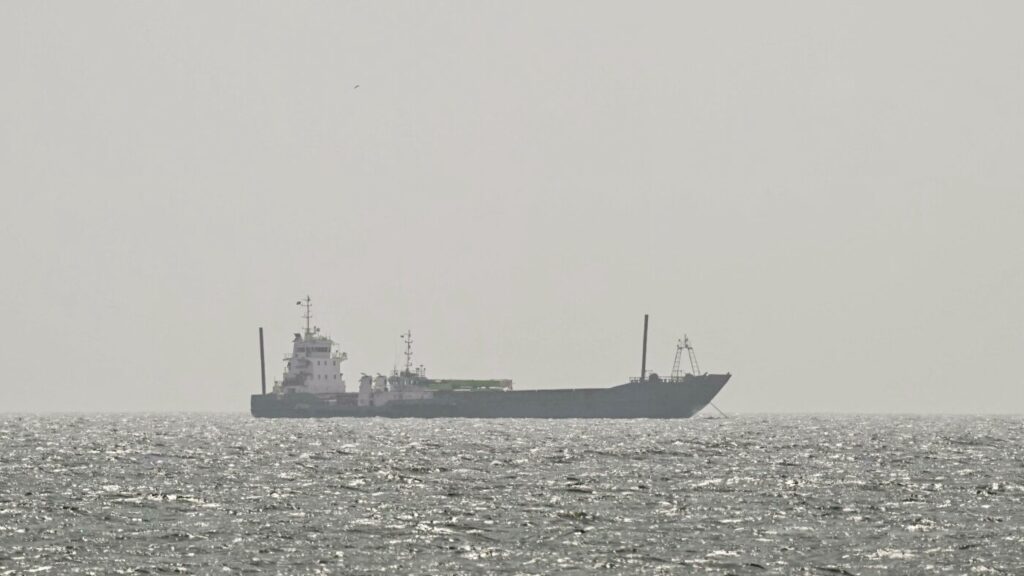
Tensions in one of the worlds most critical maritime corridors have reached a breaking point as the Iranian parliament reviews a provocative plan to restrict access to the Strait of Hormuz. According to Iranian state media, Tehran is considering a total ban on ships linked to the United States, Israel, and other nations it deems hostile. Under this proposal, these vessels would be barred from transiting the waterway until Iran is fully compensated for damages incurred during the ongoing conflict. For those allowed to pass, the costs would rise sharply, with proposed tolls reaching up to seven percent of a cargos value and heavy fines for anyone violating Irans strict conditions.
The move comes amidst a volatile security environment following months of warfare involving U.S. and Israeli forces. While Iran claims it is finalizing an agreement with Oman to establish specific entry and exit corridors for shipping, the Trump administration has pushed back firmly against these assertions. U.S. officials maintain that the Strait of Hormuz remains an international waterway where no single nation can legally impose permits or tolls. President Trump has further complicated the narrative by stating that the United States effectively controls the strait through its current naval blockade on Iran.
Global markets are watching the situation with anxiety as previous attempts at peace have crumbled. A memorandum of understanding signed in June intended to end hostilities and reopen the waterway collapsed shortly after due to renewed strikes between the combatants. Because the strait is a primary artery for liquefied natural gas and crude oil, its instability has already triggered significant disruptions in fuel and fertilizer supplies, driving up global prices and shaking fragile economies worldwide.
Despite the rhetoric, there are signs that diplomatic efforts may be gaining momentum once again. Turkish officials helping mediate between the warring parties suggest that a temporary agreement could be announced soon, while neighboring Gulf states are urgently pushing for de-escalation. These regional powers fear that any fresh spike in violence or threats of escalation could lead to devastating drone or missile attacks on their own vital oil infrastructure, making a swift interim deal a necessity for regional survival.