
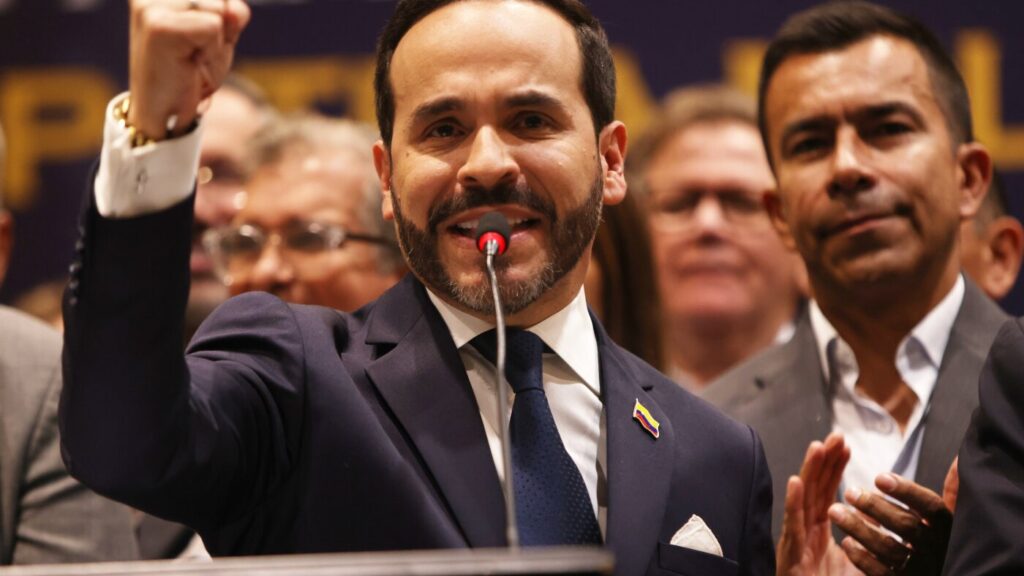
Colombia prepares for a dramatic shift in leadership this Friday as Abelardo de la Espriella takes office, marking a sharp departure from the progressive policies of his predecessor. In a move that signals his intent to tackle instability head-on, the president elect is breaking tradition by holding his inauguration in Cali instead of the capital city of Bogota. By choosing a region heavily impacted by drug violence and rebel activity, de la Espriella is sending a clear message about his primary objective: reclaiming territorial control. Security is exceptionally tight for the event, with 11,000 troops deployed and strict bans on drones and private vehicles to protect a high profile guest list that includes several Latin American heads of state and representatives from the United States.
A former criminal defense lawyer and political outsider, de la Espriella represents a decisive swing toward conservatism. He intends to dismantle the Total Peace strategy pursued by Gustavo Petro, arguing that negotiated ceasefires merely allowed rebel groups to rearm and expand their influence. Instead, the incoming president plans to employ aggressive military force and revive controversial tactics like aerial spraying to eliminate coca crops. His vision for national security involves building massive prisons and prioritizing sovereignty over diplomacy, though analysts warn that shutting the door on all peace talks could leave thousands of combatants without a viable path back into civilian life.
Beyond security, de la Espriella is eyeing a drastic overhaul of Colombia’s economy and international standing. To combat a ballooning budget deficit, he has proposed slashing government spending by as much as 40 percent, starting with the closure of 14 embassies across Europe, Africa, and the Caribbean. On the global stage, he is rapidly aligning himself with Washington and allies like Donald Trump, having already severed diplomatic ties with Cuba while restoring relations with Israel. This pivot reflects a broader regional trend where voters in countries like Peru and Ecuador are increasingly turning toward right wing leaders focused on crime and fiscal austerity.
However, the transition may not be seamless. De la Espriella enters office facing an uphill battle in a fragmented Congress and lingering tension from the previous administration. Former President Petro has refused to concede the narrow election victory, alleging fraud without providing evidence—claims that could spark widespread protests among those who fear human rights abuses under a more militarized regime. As he steps onto the podium in Cali, de la Espriella finds himself at the center of a polarized nation, prepared for both a legislative fight in Bogota and a physical confrontation with the armed groups lurking in the countryside.