
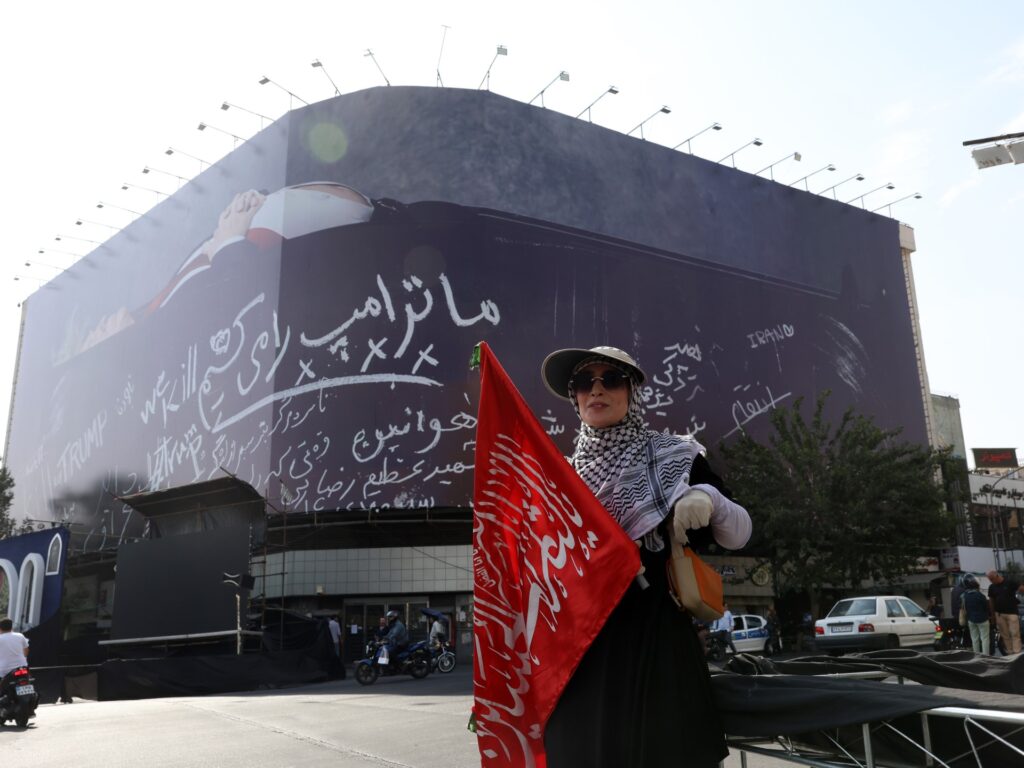
Tensions in the Persian Gulf reached a breaking point this week as the United States carried out its twelfth consecutive night of airstrikes against targets within Iran. According to US Central Command, these operations are designed to degrade Tehran’s capacity to threaten commercial shipping and civilian mariners in regional waters. The latest wave of attacks struck multiple locations in southern Iran, including Bushehr and Ahvaz, with reports emerging from Khuzestan province that a missile strike on the Shalamcheh border crossing left two people dead and eleven others wounded.
Tehran has responded with a series of aggressive retaliatory strikes across the region, specifically targeting US military installations in Kuwait and Jordan. The Islamic Revolutionary Guard Corps claimed to have destroyed a Patriot missile defense system, MQ9 drone hangars, and various communication towers at the Ali al-Salem airbase in Kuwait. While addressing the Kuwaiti public, the IRGC insisted their actions were directed solely at occupying American forces rather than the local population. Similar claims were made regarding strikes on radar systems and helicopter hangars in Jordan, as Iran continues to signal that it will meet any perceived aggression with an eye for an eye strategy.
The conflict is increasingly spilling over into critical civilian infrastructure and global trade routes. Iranian chief negotiator Mohammad Bagher Ghalibaf issued a stark warning via social media, suggesting that if Iran’s own security cannot be guaranteed, no infrastructure in the region will remain safe. This threat comes amid reports of hits on water and power plants in Kuwait and rising volatility in the Strait of Hormuz, where an explosion recently set a tanker ablaze. Adding to the pressure, Houthi rebels in Yemen have declared a blockade of Saudi ports, forcing ships in the Red Sea to alter their courses to avoid danger.
Diplomatic efforts appear stalled as both nations abandon previous interim peace agreements. President Donald Trump has escalated his rhetoric, stating that the US will target an Iranian power plant or bridge for every single vessel targeted by Iranian forces in the Strait of Hormuz. While Secretary of State Marco Rubio indicated that Washington remains open to negotiations if Tehran becomes serious about diplomacy, he suggested that current outreach from Iran lacks sincerity. With casualties mounting on both sides and key energy corridors under threat, analysts warn that neither side seems willing to back down for fear of appearing weak.