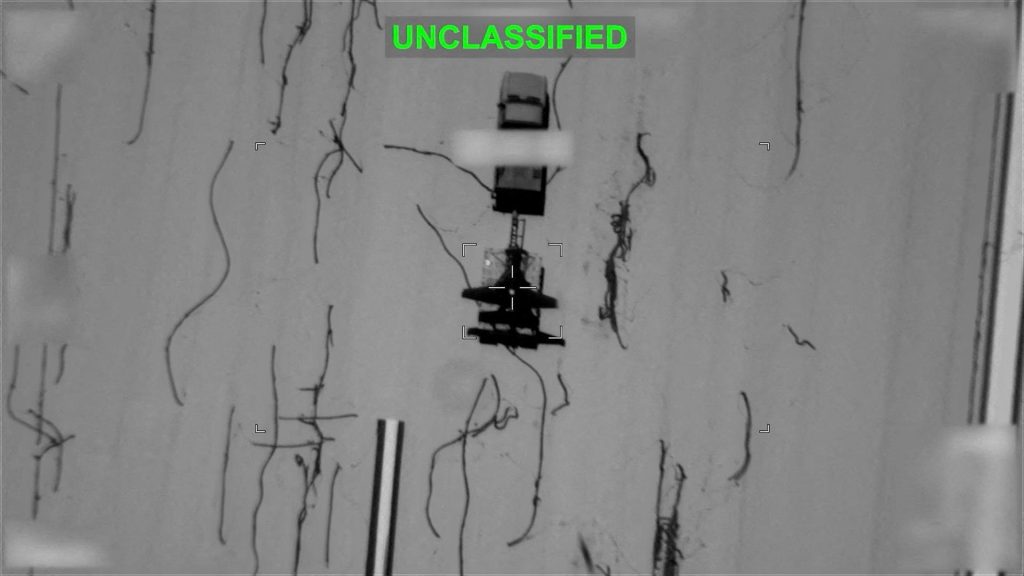
The United States has extended its military campaign against Iran into a seventh consecutive night of airstrikes, signaling a deepening crisis that threatens to destabilize the entire Middle East. According to US Central Command, the latest wave of operations utilized fighter jets, drones, and warships to target surveillance sites, underground weapon stores, and maritime infrastructure across various regions including Bushehr and Bandar Abbas. While Washington maintains these actions are designed to degrade Iranian military capabilities, reports from within Iran describe a far more chaotic scene, with multiple explosions rocking cities like Yazd and Sirik throughout the early hours of Saturday morning.
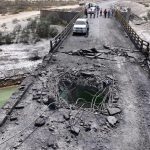
The human cost is mounting as Iranian state media confirms deaths and injuries in Hormozgan province near the strategic Strait of Hormuz. Beyond military targets, Tehran has accused the U.S. of committing war crimes by hitting critical civilian infrastructure, citing footage of destroyed bridges and railway lines. This escalating violence has prompted the US State Department to issue urgent warnings to American citizens, advising them to reconsider all travel to the region due to an unpredictable security environment where further escalation seems almost inevitable.
Iran has responded with its own series of retaliatory strikes against what it describes as U.S.-linked assets in neighboring countries. The Islamic Revolutionary Guard Corps claimed to have hit drone depots in Bahrain and other installations in Jordan and Kuwait, though some of these attacks were intercepted by local defenses. One particularly concerning strike hit a power and water plant in Kuwait, forcing residents to ration electricity and highlighting the fragility of desalination plants that provide essential water services across the Gulf states.
Amidst this volatility, high ranking officials in Tehran are warning that they may soon abandon limited retaliation in favor of total warfare. Major General Mohsen Rezaei, an adviser to Iran’s supreme leader, stated that if the American strikes persist for just a few more days, Iran will pivot toward full scale offensive operations aimed at complete destruction regardless of political borders. Military analysts warn that should this conflict expand to disrupt shipping lanes like the Bab al-Mandeb Strait, the resulting shockwaves would likely trigger a global economic crisis while pushing the two nations closer to an uncontrollable war.